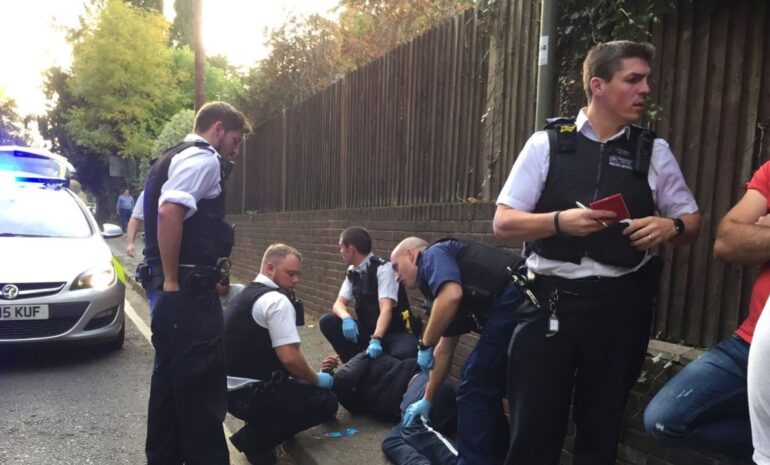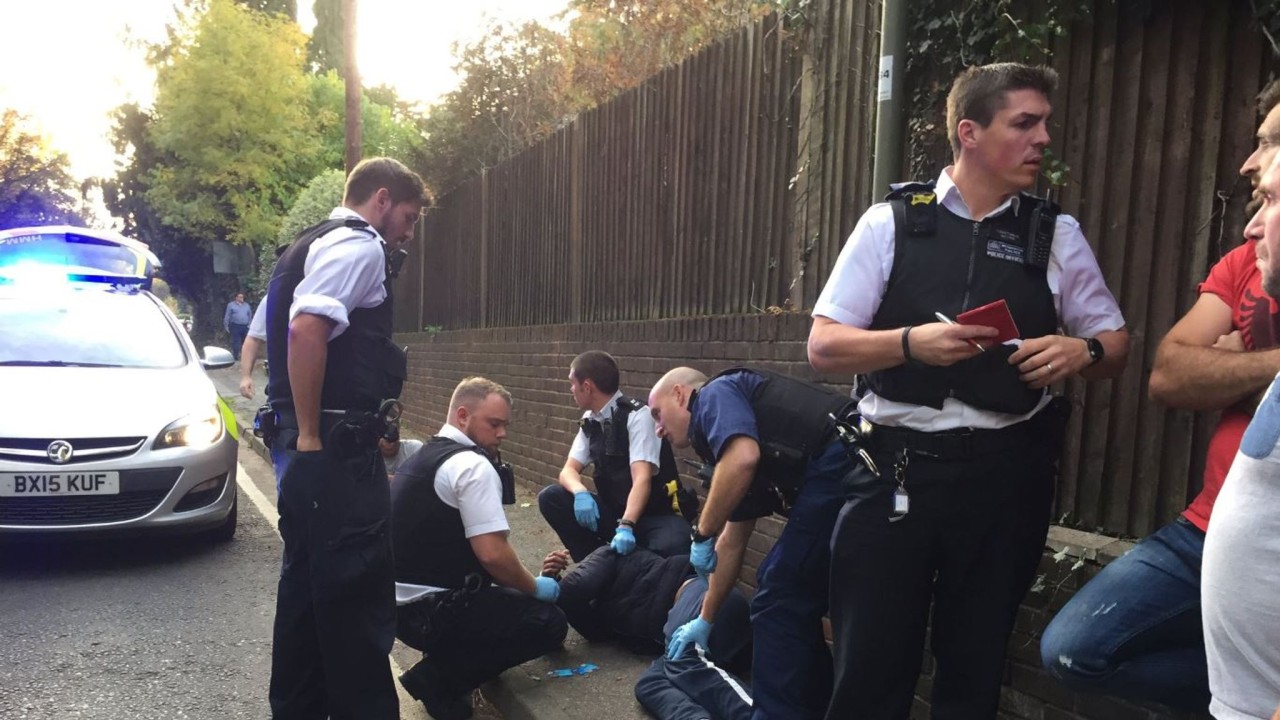
In 2023, two Met officers were flagged down in Croydon by a member of the public reporting a stabbing. A man was on the pavement with an abdominal wound. The officers needed to get help there fast.
The body-worn video footage shows the first officer walking from the car with urgency, immediately asking the member of the public for their location. Before he could request backup or direct an ambulance, he had to establish where he actually was.
This gap in situational awareness isn’t unusual. It’s just not usually discussed – this incident was scrutinised in a recent gross misconduct hearing – the officers were investigated for not calling for an Ambulance in the first 90 seconds (they have been cleared of wrongdoing).
The situational awareness gap
Consumer navigation tools are designed for journeys. You enter a destination, they give you turn-by-turn directions. When you stop navigating, they go quiet. The assumption is that if you’re not going somewhere, you don’t need location information.
For responders, that assumption is wrong.
Responders spend huge amounts of time just being places. On patrol. At scenes. Writing up. Waiting. During these periods, it’s easy to lose track of exactly where you are.
Then something happens. A foot chase. A scream from a member of public. A colleague requesting backup. Suddenly you need to know exactly where you are, what’s around you, and how to direct others to you. The tools aren’t ready because they weren’t designed to be always-on.
What good looks like
An always-visible road name. A direction of travel indicator. Maps that prioritise landmarks, not fast food ads. Information that’s there when you glance down, without tapping anything or starting a route.
This sounds basic, but most mapping tools don’t prioritise it.
How we approached it
We noticed early on that a lot of our users weren’t actively navigating – they were just sitting on the map screen. So we leaned into it: a large road name banner that’s always visible, direction of travel, clear house numbers & block names. We built ‘Where am I’ home screen widgets and watch apps, because sometimes you just need a glance.
It’s not the feature that sells the product. But when you’re flagged down to a stabbing and need to tell control exactly where you are, it might be the one that matters.
Part 2 of our series on why location is harder than it looks for emergency services.